Ii. Calendering
Calendering finishing is a process that utilizes the plasticity of fibers under wet and hot conditions to flatten or create parallel fine diagonal lines on the fabric surface, thereby enhancing the fabric's luster. The calender is composed of several hard rolls and soft rolls with smooth surfaces. Hard rollers are metal rollers with highly polished surfaces or densely engraved parallel lines, and are often equipped with heating devices. The soft rollers are either fiber rollers or polyamide plastic rollers. After the fabric is pressed by a combination of a softer and a softer roller, the yarn is flattened, the surface becomes smooth, the luster is enhanced, and the hand feel is firm, which is called flat calendering. After the fabric is pressed by a combination of two soft rollers, the yarn is slightly flattened, with a soft luster and a soft hand feel. The mineral is soft and polished. Different gloss can be achieved by using different combinations of sodium artisan rollers and variations in pressure, temperature and threading methods. Calendering finishing is a mechanical process, and the durability of its fabric luster effect is poor. If the fabric is first impregnated with the initial shrinkage of resin and then pre-baked and stretched, a more durable luster can be obtained after calendering.
Iii. embOSSing
The process of taking advantage of the plasticity of fibers and using a pair of hard, soft, concave and convex rollers engraved with patterns of a certain depth to press fabrics at a certain temperature to create a concave-convex pattern effect is called embossing finishing, also known as embossing finishing. Cotton or polyester/cotton blended fabrics that have been dyed or printed can achieve durable embossing effects if they are impregnated with embossing resin working solution during embossing finishing. Synthetic fiber fabrics can be directly embossed after dyeing and printing. The process of pressing fabric with a copper roller engraved with concave patterns as the hard roller and a high-elasticity rubber roller with a smooth surface as the soft roller is called overprinting.
Iv. Sanding and Dusting
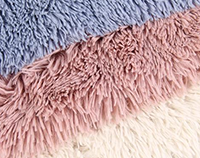
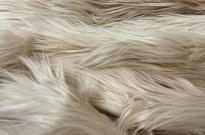
The process of grinding out a short and dense layer of pile on the surface of fabric with a grinding roller (or belt) is called pile finishing, also known as brushing finishing. Brushed fabrics have the characteristics of being thick, soft and warm, which can improve the wearing performance of the fabric. After grinding, deformed filaments or high-shrinkage polyester knitted fabrics or woven (shuttle) fabrics can be made into a kind of suede-like velvet fabric. The base fabric made of superfine synthetic fibers, after being impregnated with polyurethane emulsion and brushed, can obtain artificial suede with a realistic effect. The function of brushed (or fleece) finishing is similar to the principle of fuzzing (or pulling), both of which are to create a pile on the surface of the fabric. The difference is that the fuzzing finishing is generally done with metal needle cloth (for wool spinning, there is also the use of needled fabric), mainly involving the fuzzing of the weft yarns of the fabric, and the fuzz is sparse and long. Pile finishing can make the warp and weft yarns produce pile simultaneously, and the pile is short and dense. The strength reduction of the fabric should be controlled in the finishing process of pile finishing, and its quality is mainly indicated by the shortness, density and uniformity of the pile.
V. Soft (softening)
During the dyeing and finishing process of textiles, they are often subjected to wet heat treatment by various chemical auxiliaries and mechanical tension, etc., which can cause deformation and lead to a stiff and rough hand feel. Soft finishing is a processing procedure that compensates for this defect and makes the fabric feel soft. There are two methods for softening finishing: mechanical and chemical. The mechanical method involves techniques such as hammering cloth to loosen the yarns or fibers from each other, thereby achieving a soft effect. The chemical method uses the effect of softeners to reduce the friction coefficient between fibers to achieve a soft effect. Different softeners are suitable for different fibers, produce different softening effects, and have different impacts on other properties. Chemical methods are more commonly used, and sometimes mechanical methods are also supplemented.
Six. crabbing
Wool finishing is a process in which wool fabrics are treated in a hot water bath under tension to make them smooth and less prone to deformation during subsequent wet treatment. Boiling wool is mainly used for finishing fine-spun woolen fabrics and is carried out after singeing or washing wool. During the textile process, the fibers of wool undergo various deformations under the action of external forces. After relaxation, they will contract, and this phenomenon is more pronounced when they are wet. During the hot water bath process of boiling, the molecular structure of the fibers is first damaged and broken, and then a more stable structure is regenerated, which plays a shaping role for the fibers. Therefore, the fabric finishing process can achieve good dimensional stability, prevent deformation and wrinkling during subsequent wet processing, and also improve the hand feel.
Vii. fulling
Flocking finishing is a process that utilizes the shrinkage property of wool felt to make woolen fabrics dense and thick, and form flocking on the surface. It is also known as shrinking. Flocking can improve the hand feel and appearance of fabrics, and enhance their warmth retention and hand feel, among other styles. Flocking is particularly suitable for products such as coarse-spun woolen fabrics. The flocking of woven fabrics is carried out on drum flocking machines, while the flocking of knitted fabrics can be done in equipment such as rotary drums or washing machines.
Viii. raiSing
Pile finishing is a process in which the fibers on the surface of the fabric are picked up with dense needles or thorns to form a layer of pile, also known as pulling finishing. It is mainly used for coarse-spun wool fabrics, acrylic fabrics and cotton fabrics, etc. The fabric fuzzles in a dry state, with fluffy and short pile. When wet, due to the large elongation of the fibers, the surface fibers are prone to pilling. Therefore, when wool fabric is sprayed wet, it can produce longer pile, while when it is soaked in water, it can produce wavy long pile. Cotton fabrics are only suitable for dry pilling. The pile layer after fuzz finishing can enhance the warmth retention of the fabric, cover the weave texture, improve the appearance, and make the hand feel full and soft. Combining the fuzzing and shearing processes can enhance the finishing effect of fabrics.
Ix. Shearing
Shearing and finishing is a process in which unwanted fuzz on the surface of fabrics is cut off with a shearing machine. The purpose is to make the fabric weave clear and the surface smooth, or to make the pile and pile surface of pilling and fuzzing fabrics neat. Generally, products such as woolen fabrics, velvet, and artificial fur all need to undergo shearing processes, but the requirements for each are different. For fine-spun woolen fabrics, it is required to cut off the surface pile to make the surface smooth and the weave clear. For coarse-spun woolen fabrics, after shearing, the pile surface should be smooth and the hand feel soft. In particular, the uneven pile on the fabric surface after fuzzing or shrinking should be cut flat and maintained at a certain length to make the appearance smooth. To enhance the shearing effect, the shearing and brushing techniques can be combined
decatizing blowing
Steaming finishing is a process that takes advantage of the shaping property of wool fibers under wet and hot conditions. Through steaming, the shape of wool fabrics is stabilized, and the hand feel and luster are improved. The principles of steaming and boiling are basically the same, but the processing methods are different. Steamed wool is mainly used for woolen fabrics and their blended products, and can also be used for silk, viscose fiber and other fabrics. The fabric after steaming treatment has stable size and shape, a smooth surface, natural luster, and a soft and elastic hand feel.
Eleven. Starching
The process of impregnating fabrics with sizing solution and drying them to achieve a thick and stiff effect is a finishing method aimed at improving the hand feel of fabrics. It uses a slurry made of natural or synthetic high-molecular substances with certain viscosity to form a film on the fabric, thereby giving the fabric a smooth, firm, thick and full hand feel, and enhancing its strength and wear resistance, as well as extending its service life. Since the high-molecular substances used in the finishing process are generally called slurries, it is also known as sizing finishing. The slurry for hard finishing is mainly composed of slurry and a small amount of preservatives. Softeners, fillers or fluorescent brighteners can also be added. According to the amount of sizing, there are two types: light sizing and heavy sizing. By impregnating cotton fabrics with sodium cellulose zincate slurry and then treating them with dilute acid, the cellulose can solidify on the fabric, achieving a relatively washable and firm imitation linen finishing effect.
Twelve. weighting
Weight enhancement finishing is a process that uses chemical methods to increase the weight of silk fabrics. In 18th-century Europe, in order to make up for the weight loss of real silk after refinement, the weighted finishing method was adopted to maintain commercial profits and use value. The main methods of weight gain finishing include tin weighting and tannin weighting. The silk fabric treated by the tin weight method has an increased specific gravity, a thick and smooth hand feel, rich luster, improved drape, and a reduced shrinkage rate after moisture absorption. One treatment can increase the weight by 20%, and repeated treatments can increase the weight by up to 100%. However, the strength, elongation and abrasion resistance of the silk fabric after weight increase treatment all decline, and it is not conducive to storage. It is more prone to brittleness and damage after exposure to sunlight. If the tin salts adhering to the surface are removed with soap or synthetic detergent after finishing, the embrittlement can be reduced. The tannin weighting method is not suitable for finishing white and light-colored silk fabrics because tannin turns black when it meets iron salts.
Thirteen. deweighting
Weight reduction finishing takes advantage of the hydrolysis of polyester at a relatively high temperature and in a certain concentration of caustic alkali solution, causing the fibers to gradually dissolve, reducing the fabric weight (the weight loss is generally controlled at 20% to 25%), and forming several indentation on the surface, making the reflected light on the fiber surface diffuse and creating a soft luster. At the same time, the gaps between the fibers in the yarn increase The process that thus forms the style of real silk (appearance and feel) is also known as reduction or alkali reduction finishing. After finishing, polyester filament fabrics have a soft luster, are light and soft, and their drape is greatly improved. They can be made into imitation silk products such as georgets and double crepe. Fabrics made by interweaving polyester staple fibers and their blended yarns with weft filaments, after finishing, are flat, smooth and can also achieve a similar effect.
At present, weight reduction finishing mainly refers to reducing the weight of polyester fibers in fabrics. In fact, partial dissolution of other fiber fabrics with appropriate chemical crystals also falls within the scope of reduction finishing. For instance, when polyester and cotton or viscose blended fabrics are treated with a cold sulfuric acid solution of over 65%, the cotton or viscose will be completely dissolved, which will also cause a significant change in the product style. This kind of reduction finishing is conventionally referred to as acid reduction.
Fourteen. crabbing
Wool finishing is a process in which wool fabrics are treated in a hot water bath under tension to make them smooth and less prone to deformation during subsequent wet treatment. Boiling wool is mainly used for finishing fine-spun woolen fabrics and is carried out after singeing or washing wool. During the textile process, the fibers of wool undergo various deformations under the action of external forces. After relaxation, they will contract, and this phenomenon is more pronounced when they are wet. During the hot water bath process of boiling, the molecular structure of the fibers is first damaged and broken, and then a more stable structure is regenerated, which plays a shaping role for the fibers. Therefore, the fabric finishing process can achieve good dimensional stability, prevent deformation and wrinkling during subsequent wet processing, and also improve the hand feel.
Fifteen. fulling
Flocking finishing is a process that utilizes the shrinkage property of wool felt to make woolen fabrics dense and thick, and form flocking on the surface. It is also known as shrinking. Flocking can improve the hand feel and appearance of fabrics, and enhance their warmth retention and hand feel, among other styles. Flocking is particularly suitable for products such as coarse-spun woolen fabrics. The flocking of woven fabrics is carried out on drum flocking machines, while the flocking of knitted fabrics can be done in equipment such as rotary drums or washing machines.
Sixteen. raiSing
Pile finishing is a process in which the fibers on the surface of the fabric are picked up with dense needles or thorns to form a layer of pile, also known as pulling finishing. It is mainly used for coarse-spun wool fabrics, acrylic fabrics and cotton fabrics, etc. The fabric fuzzles in a dry state, with fluffy and short pile. When wet, due to the large elongation of the fibers, the surface fibers are prone to pilling. Therefore, when wool fabric is sprayed wet, it can produce longer pile, while when it is soaked in water, it can produce wavy long pile. Cotton fabrics are only suitable for dry pilling. The pile layer after fuzz finishing can enhance the warmth retention of the fabric, cover the weave texture, improve the appearance, and make the hand feel full and soft. Combining the fuzzing and shearing processes can enhance the finishing effect of fabrics.
Seventeen. Shearing
Shearing and finishing is a process in which unwanted fuzz on the surface of fabrics is cut off with a shearing machine. The purpose is to make the fabric weave clear and the surface smooth, or to make the pile and pile surface of pilling and fuzzing fabrics neat. Generally, products such as woolen fabrics, velvet, and artificial fur all need to undergo shearing processes, but the requirements for each are different. For fine-spun woolen fabrics, it is required to cut off the surface pile to make the surface smooth and the weave clear. For coarse-spun woolen fabrics, after shearing, the pile surface should be smooth and the hand feel soft. In particular, the uneven pile on the fabric surface after fuzzing or shrinking should be cut flat and maintained at a certain length to make the appearance smooth. To enhance the shearing effect, the shearing and brushing techniques can be combined
Eighteen. decatizing blowing
Steaming finishing is a process that takes advantage of the shaping property of wool fibers under wet and hot conditions. Through steaming, the shape of wool fabrics is stabilized, and the hand feel and luster are improved. The principles of steaming and boiling are basically the same, but the processing methods are different. Steamed wool is mainly used for woolen fabrics and their blended products, and can also be used for silk, viscose fiber and other fabrics. The fabric after steaming treatment has stable size and shape, a smooth surface, natural luster, and a soft and elastic hand feel.
Nineteen. pressing
Calendering finishing is a process in which woolen fabrics are made smooth, their luster enhanced and hand feel improved by mechanical pressure under wet and hot conditions, similar to the calendering finishing of other fabrics. However, embossing is often used in the finishing of fine-spun woolen fabrics. There are two ways to press wool: rotary pressing (also known as hot pressing or heat pressing) and cardboard electric heating pressing (also known as voltage pressing). The former irons the fabric flat through squeezing and friction and gives it a luster. The fabric has a small elongation and high productivity, but the effect is not long-lasting. Moreover, since the treated fabric has a strong luster, it is often carried out before steaming. The latter is mostly used in the final processing of fine-spun fabrics, especially thin fine-spun fabrics. During the finishing process, the woolen fabric is folded layer by layer, with hard smooth cardboard and electric heating cardboard placed in between. Then, under certain conditions, it is completed by applying pressure through a hydraulic press. The surface of the woolen fabric after voltage is smooth and crisp, with a soft luster, a soft and smooth hand feel, and a temporary effect. However, its equipment is large and the production rate is low.
Twenty. Anti-felting
The process of preventing or reducing the shrinkage and deformation of woolen fabrics during washing and wearing, and ensuring the stability of clothing dimensions, is called anti-felting finishing. The felting of woolen fabrics is due to the fact that the scales of wool have greater extensibility and resilience in the wet state, which makes it prone to felt-like shrinkage after washing, rubbing and squeezing. Therefore, the principle of anti-felting finishing is to locally etch the scales by chemical methods to change their surface state, or cover their surface with a layer of polymer, and make the interwoven points of the fibers adhere, thereby removing the basis for felting. Anti-felting finishing fabrics that can reach the specified level are called super washable woolen fabrics.