Product Description
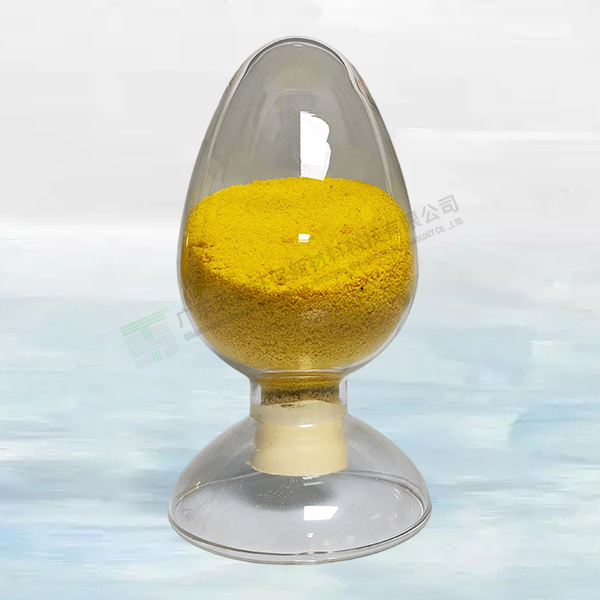
This product is synthesized from high-purity aluminum hydroxide powder, calcium aluminate powder, and high-purity hydrochloric acid. The core technology involves high-pressure extrusion and deep purification, which thoroughly separates solid residues (especially insoluble impurities from raw materials and some heavy metal hydroxides) from the PAC solution, ensuring its drinking water grade high purity. The product strictly controls toxic heavy metal indicators such as Lead (Pb), Cadmium (Cd), Mercury (Hg), Chromium (Cr), and Arsenic (As), fully complying with and generally surpassing the mandatory limits of GB/T 15892-2020 "Polyaluminum Chloride for Drinking Water". No harmful auxiliaries or impurities are added during production. Its high-efficiency coagulation performance aids in more thorough removal of aluminum during subsequent sedimentation and filtration processes, resulting in aluminum residue levels in the treated water far below the national standard (≤0.2mg/L), ensuring higher safety. This product features superior water purification efficacy: excellent coagulation with large, dense flocs; rapid neutralization of colloidal charges in water forming large, compact flocs with fast settling speed, significantly improving the efficiency of sedimentation/clarification tanks; strong adaptability to raw water temperature changes, offering better performance than traditional aluminum sulfate in low-temperature (winter) and low-turbidity water treatment; a wide applicable pH range (typically 5.0-9.0) requiring minimal adjustment of raw water acidity or alkalinity; reduced dosage with increased efficiency—reducing dosage by 20%-50% compared to traditional aluminum salt coagulants to achieve the same effluent turbidity standard, lowering operating costs and sludge production; low corrosivity—its solution is less corrosive to dosing equipment than iron-based coagulants such as ferric sulfate and ferric chloride, extending equipment life; and ease of operation with fast dissolution and convenient preparation.
Preparation Method
Dissolve the solid product in water at a ratio of 1:3 to form a liquid, then dilute it with 10-30 times more water to the required concentration. For example, to prepare a 10% PAC solution in a 1-ton mixing tank, first fill the tank with 1/3 of water, start stirring, then add 100kg of solid PAC. After full dissolution, continue adding water to the 1-ton mark and stir evenly.
Usage Method
The following are the common usage methods for PAC:
1. Preliminary Dilution: Usually mix PAC with clean water in a specific ratio to prepare a solution with a concentration of 5%-10%.
2. pH Control: Depending on the water quality, PAC can be used in weakly acidic or weakly alkaline environments. The effective pH range is 5-9, with the optimal pH being 6-8.
3. Dosage Application: Add the diluted PAC solution to the water to be treated in an appropriate manner. The dosage varies depending on the degree of water pollution and treatment requirements (conduct a small-scale test beforehand to determine the basic dosage, then fine-tune according to actual conditions).
4. Mixing: After adding the PAC solution, the water must be rapidly mixed to ensure the agent is evenly dispersed and fully contacts the colloids and suspended solids in the water. Rapid mixing time is approximately 10-30 seconds, generally not exceeding 2 minutes.
5. Sedimentation and Separation: Allow the mixed water to stand for a period, typically 30 minutes to an hour, to fully achieve sludge-water separation (to accelerate floc sedimentation, it is often used in conjunction with polyacrylamide PAM).
Precautions
1. As the PAC solution is slightly corrosive, the dissolution tank or mixing tank requires anti-corrosion measures or must be made of corrosion-resistant materials.
2. Do not mix PAC from different manufacturers or different models.
3. Use regular tap water to dissolve PAC; do not use sewage.
4. The shelf life of solid PAC is generally 12 months; it can still be used after absorbing moisture.
5. If the flocs settle slowly or the water becomes turbid after adding PAC, check if the quality of the agent or the dosage ratio is appropriate.
Packaging and Storage
Solid PAC should be covered during transportation to avoid rain and moisture, and the packaging must remain intact with clear labeling. The solid is packaged in 25kg bags with an inner layer of plastic film and an outer layer of plastic woven bags. The product should be stored in a dry, ventilated, and cool indoor place, avoiding moisture. It must not be stored together with flammable, corrosive, or toxic substances.