Product Description
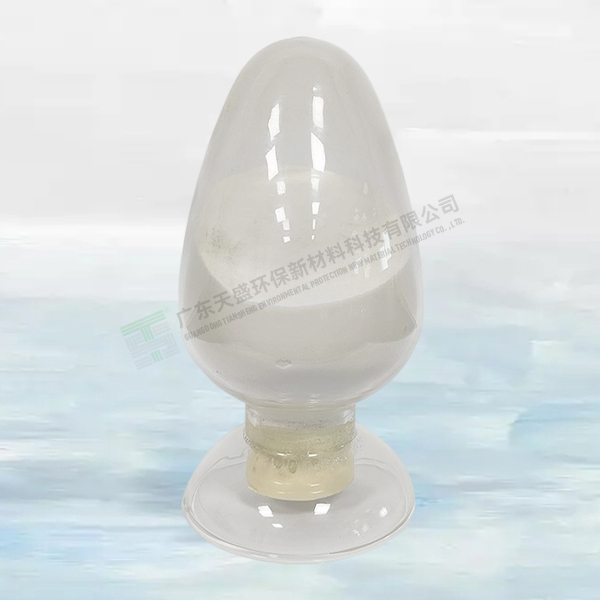
White PAC facilitates high-quality drinking water and industrial water treatment: Al2O3 content ≥29.5%, extremely low heavy metal residue, effectively removing suspended solids and colloidal impurities. It offers versatile applications in papermaking, sugar refining, special wastewater treatment, and high-end industrial sectors, featuring a decolorization rate >95% and maintaining high efficiency even in low-temperature environments.
1. Drinking Water and Industrial Water Treatment
Drinking Water Purification: White PAC features high AL₂O₃ content (≥29.5%) and a clear, colorless aqueous solution, effectively removing suspended solids and colloidal impurities in water, making it suitable for high-quality drinking water treatment.
Compared to ordinary PAC, it has extremely low heavy metal residue (iron content ≤0.01%) and complies with national drinking water hygiene standards.
Industrial Circulating Cooling Water: Used in high-demand scenarios such as oilfield reinjection water and power system circulating water, it can inhibit pipeline corrosion and reduce scaling risks.
2. Papermaking and Sugar Refining Industry
Neutral Sizing Agent for Papermaking: Replaces traditional aluminum sulfate, enhancing fiber bonding through positively charged multi-nuclear hydroxy-aluminum complexes, reducing acidic equipment corrosion, and allowing the addition of calcium carbonate fillers to lower costs.
Advantage: Strong controllability of sizing degree, improving paper whiteness and folding endurance.
Sugar Decolorization and Clarification: A dosage of 5-10ppm efficiently removes pigment from sugarcane juice, maintaining sugar solution transmittance and reducing energy consumption in subsequent refining steps.
3. Special Wastewater Treatment
High Chroma Wastewater Decolorization: Achieves a decolorization rate >95% for printing and dyeing wastewater (such as reactive dyes, disperse dyes) and iron-containing wastewater from steel plants, particularly suitable for low-temperature environments (rapid dissolution at 0-5℃).
Oil-Water Demulsification: Separates emulsified oil through charge neutralization; when used in conjunction with polyacrylamide (PAM), it enables the recovery and resource utilization of floating oil.
4. High-End Industrial and Consumer Goods Fields
Pharmaceuticals and Cosmetics: Used as a pharmaceutical excipient for vaccine clarification and as an astringent or suspension stabilizer in cosmetics, meeting high-purity requirements.
Precision Casting: Used as a shell hardener in investment casting; after high-temperature calcination, it leaves low residual ash, ensuring the surface finish of castings.
Tanning Process: Regulates the charge distribution of leather fibers, enhancing the uniform penetration of tanning agents, improving the softness of finished leather by over 20%.
Preparation Method
Dissolve the solid product in water at a ratio of 1:3 to form a liquid, then dilute it with 10-30 times more water to the required concentration. For example, to prepare a 10% PAC solution in a 1-ton mixing tank, first fill the tank with 1/3清水 (water), start stirring, then add 100kg of solid PAC. After full dissolution, continue adding water to the 1-ton mark and stir evenly.
Usage Method
The following are the common usage methods for PAC:
1. Preliminary Dilution: Usually mix PAC with clean water in a specific ratio to prepare a solution with a concentration of 5%-10%.
2. pH Control: Depending on the water quality, PAC can be used in weakly acidic or weakly alkaline environments. The effective pH range is 5-9, with the optimal pH being 6-8.
3. Dosage Application: Add the diluted PAC solution to the water to be treated in an appropriate manner. The dosage varies depending on the degree of water pollution and treatment requirements (conduct a small-scale test beforehand to determine the basic dosage, then fine-tune according to actual conditions).
4. Mixing: After adding the PAC solution, the water must be rapidly mixed to ensure the agent is evenly dispersed and fully contacts the colloids and suspended solids in the water. Rapid mixing time is approximately 10-30 seconds, generally not exceeding 2 minutes.
5. Sedimentation and Separation: Allow the mixed water to stand for a period, typically 30 minutes to an hour, to fully achieve sludge-water separation (to accelerate floc sedimentation, it is often used in combination with polyacrylamide PAM).
Precautions
1. As the PAC solution is slightly corrosive, the dissolution tank or mixing tank requires anti-corrosion measures or must be made of corrosion-resistant materials.
2. Do not mix PAC from different manufacturers or different models.
3. Use regular tap water to dissolve PAC; do not use sewage.
4. The shelf life of solid PAC is generally 12 months; it can still be used after absorbing moisture.
5. If the flocs settle slowly or the water becomes turbid after adding PAC, check if the quality of the agent or the dosage ratio is appropriate.
Packaging and Storage
Solid PAC should be covered during transportation to avoid rain and moisture, and the packaging must remain intact with clear labeling. The solid is packaged in 25kg bags with an inner layer of plastic film and an outer layer of plastic woven bags. The product should be stored in a dry, ventilated, and cool indoor place, avoiding moisture. It must not be stored together with flammable, corrosive, or toxic substances.