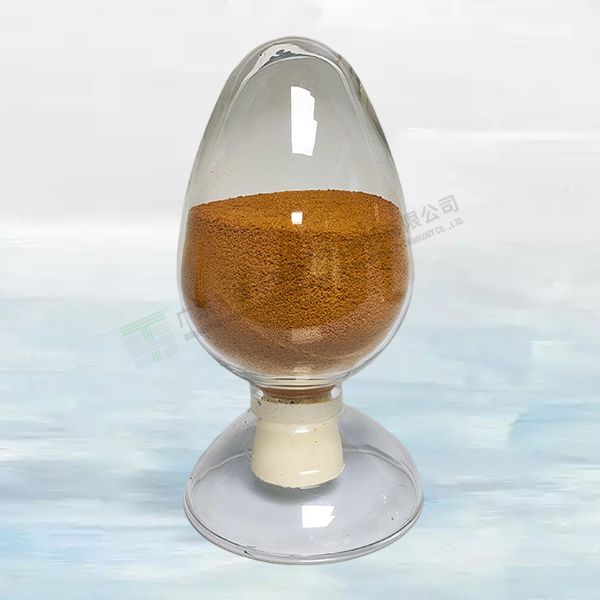
 【Origin Pic】 |
【Application Scope】 Mainly used for industrial water supply, wastewater, sewage, and sludge treatment. It is especially suitable for treating high-turbidity wastewater from papermaking, chemical, printing and dyeing, laundry, electroplating, mining, and tanning industries. 【Product Characteristics】 Appearance: Earth yellow, tan, or reddish-brown solid granules or powder. Aluminum Oxide (Al2O3) content: Available in specifications such as 20%, 23%, 26%, 28%, and 30%. Basicity: 60%-95% pH value: 3-5 (10% aqueous solution) 【Features and Properties】 This product possesses strong bridging adsorption properties. During the hydrolysis process, physical and chemical processes such as coagulation, adsorption, and precipitation occur simultaneously. Industrial-grade polyaluminum chloride is non-corrosive to equipment, and its water purification effect is significant. It can effectively remove color, SS (Suspended Solids), COD, BOD, and heavy metal ions from water. It has a relatively wide suitable pH range (5-9), and causes minimal decrease in pH value and alkalinity of the treated water. It can maintain stable precipitation effects even at low water temperatures. |
|
|
- Home
- About
-
Product
- Printing and dyeing pretreatment auxiliary series
- Dyeing silicone oil finishing series
- Washing aquatic products preferred
- Functional aid
- Dye series products
- Special agent for washing water
- Finishing agent
- Enzyme powder, hair feeding agent series
- Wash water anti-stain series
- Tannase
- Jingli Su
- Fast Keko
- Laokesi
- Roulisu
- Yanqing Su
- Water Treatment Series
- Application
- Certificate
- Laboratory
- News
- Connect